












Ready to bolster your defenses
Uncover how we can help put your resilience to the test.


During the holidays, stay safe online by using strong passwords, avoiding suspicious links, and keeping your info out of greedy cyber grinches hands.
Holiday season is here and so are the scammers.
It is around this time that threat actors often take advantage of the increased online activity by sending fake holiday deals, fraudulent delivery notices, or deceptive messages claiming there are problems with a user’s account.
These seemingly innocent or helpful messages are designed to trick recipients into clicking malicious links or providing personal information, making it especially important to remain vigilant and verify the legitimacy of any communication before taking action.
In this article, we’ll show you how to stay safe online so you can enjoy the holiday season without letting cyber Grinches ruin your fun.
Your first step- avoid clicking links from unknown senders-these can lead to scams or malware. Be especially cautious of messages that contain any spelling mistakes or use urgent language, such as “Act now!” or “Only for the Holidays!”
If you are ever unsure about a message’s legitimacy, it is best to go directly to the company’s official website rather than clicking away at links provided and crossing your fingers.
This one seems like a no-brainer, but you would be surprised. Using a strong password is one of the simplest and most effective ways to protect your online accounts.
A strong password should include a mix of letters, numbers, and symbols (as well as your first-born son) to make it harder for hackers to guess. Avoid reusing the same password across multiple accounts-even though it may seem convenient, - if one account is compromised, it more than likely your other accounts are risk as well.
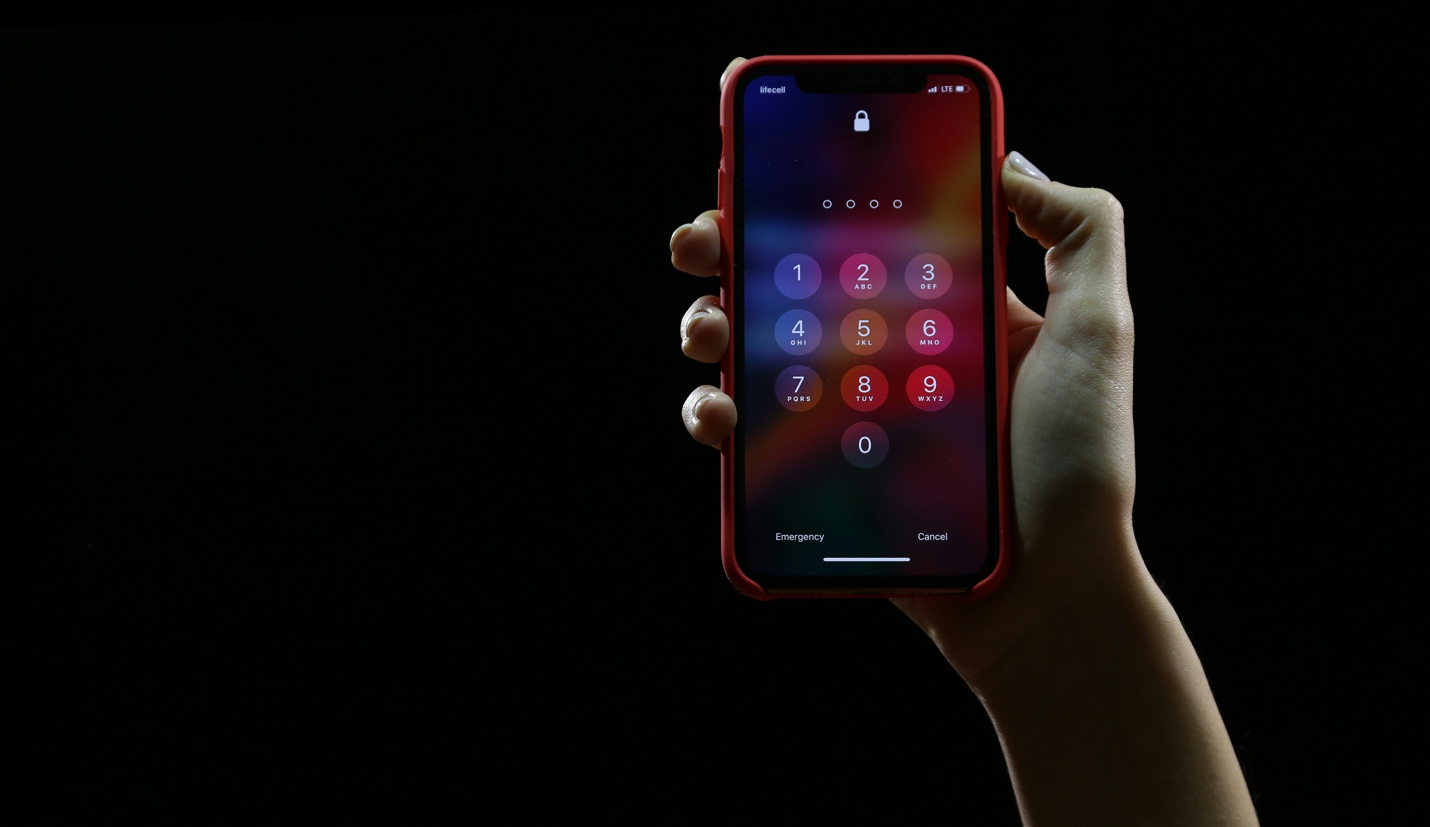
Additionally, never share your password with anyone, yes, that even means friends or family. This is to keep your personal information as personal as possible and accounts secure. Regularly updating passwords (the recommended time frame is every 3 months or something close to that as we understand that’s a lot to ask) can provide an extra layer of protection against potential cyber threats. Furthermore, consider the use of two-factor authentication (2FA) whenever possible.
Here’s why:
Two-factor authentication adds an even extra layer of security to your accounts. Normally, logging in only requires your password—but if someone guesses or steals it, they can access your account. With 2FA, even if a hacker has your password, they still need a second piece of information to log in, like:
à A code sent to your phone via text or an authenticator app
à A push notification from your authentication app
à A physical security key
This makes it much harder for those pesky cybercriminals to access your accounts.

Shop only on secure, legit websites (even doing a little bit of research on them from reliable sources never hurt anybody.) Holiday deals that pop up on websites you’ve never heard of before spell out trouble. It’s advisable to not just click “buy now” on any flashy deal even though it may seem appealing instead stick to the status quo and choose trusted websites with a secure connection (look for that little lock icon 🔒 in the address bar!) and avoid sketchy sites that seem too good to be true—they probably are.
Think of it like shopping in a mall: you wouldn’t buy from a weird pop-up in the parking lot (we hope), so don’t do it online either!
When shopping online:
It’s important to be cautious about the personal information we share online and to limit the amount that goes on the net. Its understandable with all the platforms available that sometimes this proves a bit difficult but by avoiding posting private details such as your address, phone number, school, or travel plans, can make sure this information won’t be misused by scammers or strangers or even strange scammers.
Additionally, think carefully about what you share on social media, especially during trips or holidays, since oversharing can make it easier for others to target you or your home while you’re away. Keeping these details, private helps protect your safety and your online privacy.
Additionally, keeping your devices up to date is one of the easiest ways to stay secure online and that’s exactly why software updates exist so take advantage of them.
Software updates often include fixes for security vulnerabilities that hackers could exploit, so it’s important to regularly install updates for your phone, apps, and computer. Even consider using antivirus or other security software, when available, provides another extra layer of protection against malware, viruses, and other cyber threats.
Staying on top of updates helps ensure your devices and personal information remain safe.
Public Wi-Fi networks although convenient, can be a secret trap. Especially avoid entering passwords or payment information when using public Wi-Fi, as this data can be intercepted by others on the network.
These places are often unsafe because they usually lack strong security protections. Unfortunately, a lot of public networks are open or poorly encrypted, which makes it easier for cybercriminals to intercept data being sent over the connection. This means things like passwords, messages, or personal information can be exposed without someone even noticing it.
In addition, hackers can create fake Wi-Fi networks that appear legitimate, such as “Free Coffee Shop Wi-Fi,” to trick potential victims into connecting. Scary, right?
Once connected, attackers may monitor activity or attempt to access devices and since you don’t know who else is using the network or how it’s managed, public Wi-Fi should always be treated with caution—especially when logging into accounts or entering sensitive information.
If you must access an account and have no choice but to use the public Wi-Fi, be sure to log out once you are finished to reduce the risk of unauthorized access and help protect your personal information.
Simply trusting your instincts can save you from a lot of online trouble. If a message makes your brain go “hmm…” or your gut say “this seems sketchy, partner,” it’s probably time to listen and back away.
Online scammers love to rush people or dangle deals that seem way too good to be true, hoping you won’t stop and think especially around this time of year where many (raises hand-guilty) leave things to the last minute.
When in doubt, pause, double-check, and ask sources that you trust—because it’s better to miss out on a “limited-time deal” than to become the star of a scammer’s success story.
Simple rule to always remember:
Don’t click, don’t share, and double-check before you trust.
Uncover how we can help put your resilience to the test.
